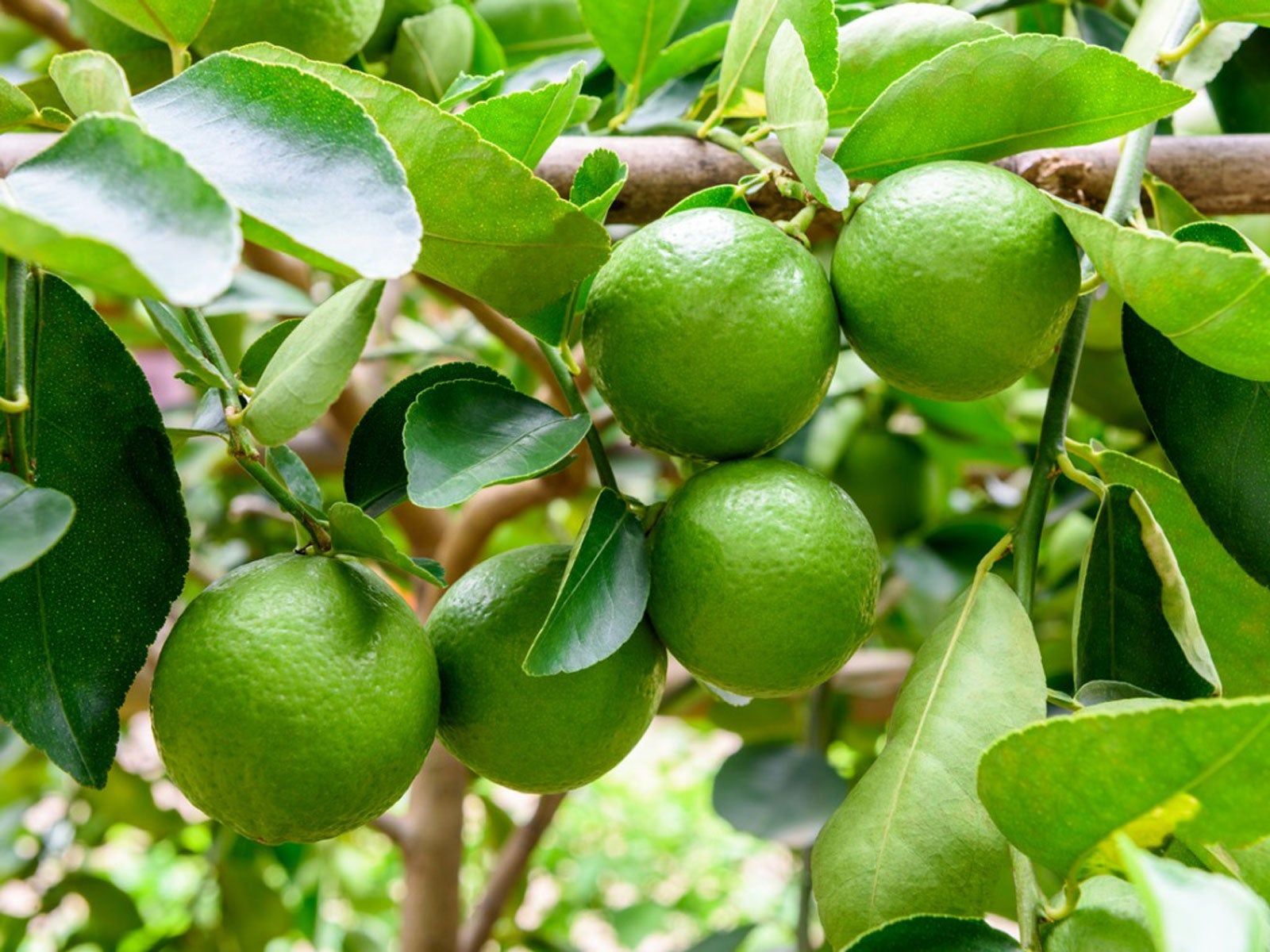
Trees need essential nutrients to grow properly, develop strong roots, produce healthy leaves, and resist environmental stress. Just like other living organisms, trees depend on a balanced supply of nutrients from the soil. When the soil lacks important minerals, trees may develop weak branches, pale leaves, and slow growth. Proper tree nutrition helps maintain their health and supports long-term development.
1. Understand Essential Tree Nutrients
Trees require several nutrients to complete their normal growth processes. Nitrogen supports leaf and shoot development, phosphorus helps with root development, and potassium supports water regulation and general plant health. Trees also need smaller amounts of nutrients such as iron, magnesium, and calcium.
2. Test Soil Before Adding Fertilizer
A soil test is one of the best ways to understand the nutritional condition of a planting area. It can identify nutrient deficiencies and provide information about soil pH. Testing helps gardeners avoid applying unnecessary fertilizers that may harm roots or contribute to environmental pollution.
3. Add Organic Matter to the Soil
Compost and other well-decomposed organic materials can improve soil structure and support beneficial microorganisms. Organic matter also helps the soil retain moisture and release nutrients gradually. Apply suitable compost around the root zone without piling it against the tree trunk.
4. Use Fertilizer Carefully
Fertilizers can help trees when specific nutrient deficiencies are present. However, applying too much fertilizer may cause excessive leaf growth, root damage, or nutrient imbalances. Choose a suitable fertilizer based on soil-test results and the requirements of the tree species.
5. Maintain the Correct Soil pH
Soil pH affects how easily trees can absorb nutrients. Some nutrients become less available when soil is too acidic or too alkaline. Different tree species prefer different pH conditions, so testing the soil can help determine whether any adjustments are necessary.
6. Protect Beneficial Soil Organisms
Healthy soil contains earthworms, fungi, bacteria, and other organisms that contribute to nutrient cycling. These organisms help break down organic materials and improve soil conditions. Avoid unnecessary chemical applications and excessive soil disturbance to support a balanced soil ecosystem.
7. Water Trees According to Their Needs
Water helps transport nutrients from the soil into tree roots and throughout the plant. Both drought and overwatering can interfere with nutrient absorption. Maintain suitable soil moisture according to the tree’s age, species, weather conditions, and soil type.
8. Recognize Signs of Nutrient Deficiency
Yellow leaves, unusual discoloration, poor growth, and weak branches may indicate nutrient problems. However, these symptoms can also result from pests, diseases, poor drainage, or incorrect watering. Identify the underlying cause before applying fertilizer or other treatments.
9. Maintain a Regular Soil-Care Routine
Healthy soil requires ongoing attention. Remove competing weeds, apply organic mulch, prevent soil compaction, and monitor moisture levels. Regular soil inspections can help identify problems early and support better tree development.
Conclusion
Proper tree nutrition is essential for maintaining strong roots, healthy leaves, and balanced growth. By testing soil, adding organic matter, using fertilizers responsibly, and maintaining suitable moisture, gardeners can improve growing conditions. Healthy soil provides the foundation for beautiful, resilient trees that continue benefiting the environment for many years.